
Transporting horses isn't just about putting a horse on a trailer and driving off. It’s a complex task requiring planning, skill, and deep understanding of animal welfare. Whether you’re an equestrian, a breeder, or someone who just loves their horse like family, getting your horse from Point A to Point B safely is crucial.
Equine transport, or horse taxi services, are growing in demand across North America, and British Columbia is no exception. BC’s vast and rugged landscape, combined with a thriving horse-owning community, has created a real need for reliable horse transport. But not all horse taxis are created equal. From weekend rides to emergency vet visits, the options are wide-ranging, and it’s essential to choose a service that prioritizes safety, professionalism, and care.
British Columbia is not only breathtakingly scenic, but also uniquely challenging when it comes to transporting livestock. The terrain varies from coastal highways to mountainous trails, and the weather can flip in minutes. That’s why the demand for skilled horse transporters is higher here. Many professionals in BC have specially outfitted rigs designed for long hauls through unpredictable terrain, ensuring horses remain comfortable and safe the entire way.
BC is also home to numerous ranches, equestrian clubs, and horse shows, making transport services essential. Whether it’s a ride to the vet in Kamloops or a competition in Kelowna, horse taxi transport British Columbia plays a pivotal role in keeping the province’s equine community connected and mobile.
Horse taxi transport is essentially a professional service dedicated to the safe and efficient movement of horses from one location to another. Think of it like Uber, but for horses. These services can range from local, short-distance trips (such as to a nearby vet clinic) to long-distance journeys across provinces or even borders.
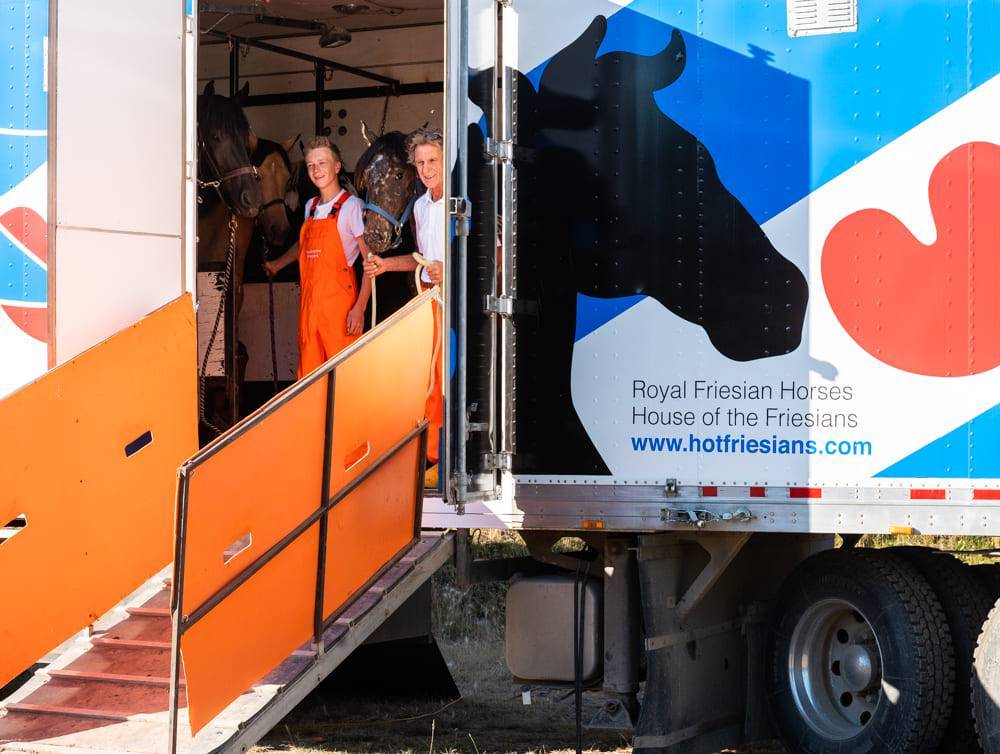
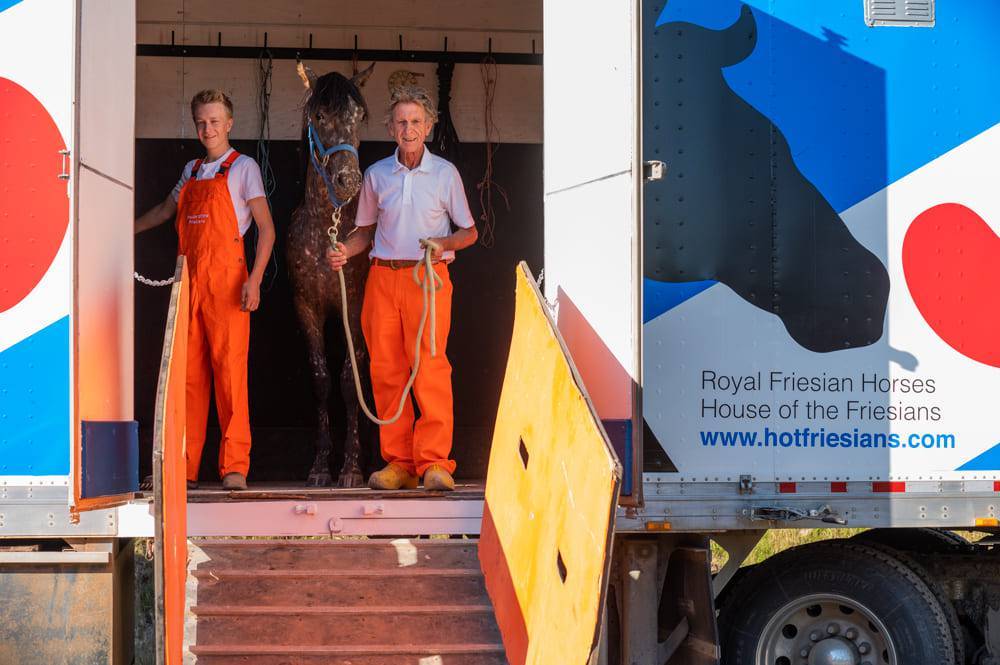
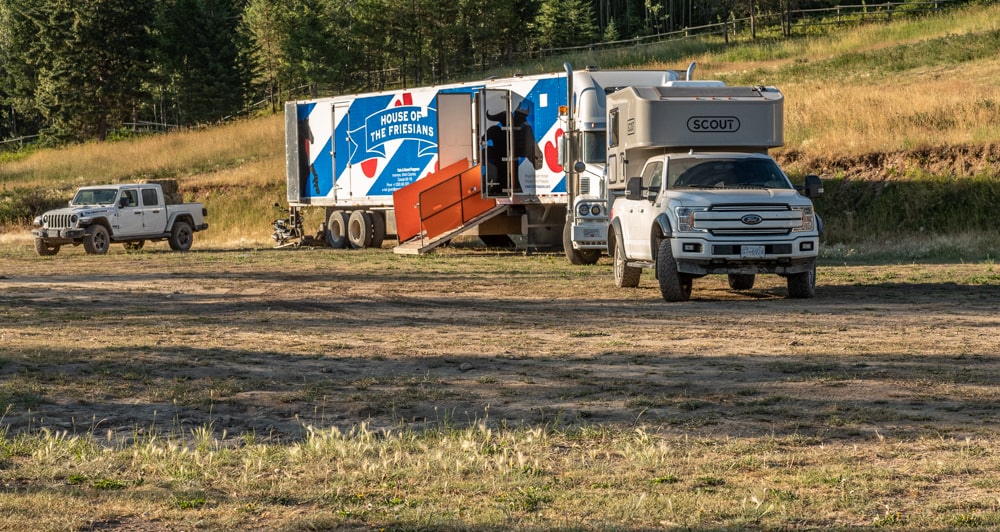
These taxis typically use trailers that are custom-built for horse comfort and safety, often equipped with padding, ventilation systems, temperature controls, and even surveillance cameras to monitor the animals during transit. Horse transport providers are often horse owners themselves, trained in proper handling, emergency procedures, and road safety.
It’s not just about transportation—it’s a tailored experience that ensures the horse arrives at its destination in the same (or even better) condition than it left.
Horse taxi transport services cater to a wide range of clients:
For any situation where the horse must be moved safely, quickly, and under professional care, a horse taxi becomes a must-have service. In places like British Columbia, where stables may be remote or spread across mountainous terrain, professional transport is often the only safe and viable solution.
Not all horse moves are epic journeys across the country. Many transport services offer local rides within a 100-kilometer radius, perfect for vet visits, shows, or seasonal relocations. These are usually quicker, less stressful for the horse, and often cost less.
For long-distance transport, such as moving from Vancouver to Prince George or even cross-province to Alberta, companies use more robust setups. These services often include layover stops, multiple drivers, and specialized rigs that support rest and hydration during long hauls.
Time-sensitive situations like colic, injuries, or foaling complications require rapid response. Some BC-based horse taxis offer 24/7 emergency transport, equipped to safely handle distressed or medically compromised horses. Having access to an emergency horse transport provider can literally be a lifesaver.
Horse taxi services in BC are diverse and designed to fit a variety of needs, ensuring that horse owners can find the right balance between affordability and personalized care.
Transporting animals in Canada is governed by strict Canadian Food Inspection Agency (CFIA) guidelines. These rules ensure humane treatment during loading, transit, and unloading. For horses, this means:
British Columbia also has provincial animal transport regulations that work in tandem with federal laws. Operators must often carry special licenses and undergo inspections, especially when hauling livestock commercially.
Many BC-based companies voluntarily exceed these standards by using real-time monitoring tools, hiring handlers certified in equine first aid, and scheduling frequent rest breaks for the horses.
Not all who own a horse trailer are qualified to transport your horse. Certified horse transporters go through specific training in equine behavior, stress management, and emergency protocols. In BC, hiring a certified transporter ensures your horse is in good hands, especially during long or difficult trips.
If you’re planning to move your horse any significant distance, always ask for:
Horse transport isn’t just a ride—it’s a critical piece of your horse’s well-being.
Before booking a horse taxi, it’s vital to ensure your horse has all the required paperwork. Depending on the destination and distance, this may include:
Transport companies may refuse service without these documents, especially for interstate or international transport.
Some horses are seasoned travelers, while others may panic at the sight of a trailer. Pre-conditioning helps:
Handlers often recommend practice sessions a few weeks in advance.
Most reputable companies in BC carry comprehensive insurance that covers:
As an owner, you should also have a clear contract outlining the company's liability and your responsibilities. Never assume your horse is automatically covered—ask for proof.
6. Top Horse Transport Companies in British Columbia
Trusted Service Providers
British Columbia is home to several top-tier horse transport companies that have earned reputations for reliability, safety, and customer satisfaction. These businesses often come with years—if not decades—of experience transporting horses across varying distances and terrains. Some of the most reputable names include:
Each of these companies emphasizes professionalism, clean and well-maintained trailers, and handlers who understand equine behavior and stress signals. They are also usually well-versed in paperwork and regulations, making the process stress-free for horse owners.
Unique Services Offered
Top providers in BC often go beyond basic transport. Many offer value-added services that improve the overall experience for both the horse and the owner:
Before choosing a transporter, it's wise to request a full list of services and even ask for references or reviews from other horse owners.
7. Horse transport canada to us
Today, more horse owners want to transport their Horse transport canada to us (United States). Reasons vary from relocating for competitions to buying and selling horses. This heightened demand significantly impacts how horses are transported.
8. Preparing Your Horse for Transport
Feeding and Hydration Tips
A well-fed and hydrated horse is a calm and healthier traveler. But, feeding right before transport isn’t recommended. Here are some important guidelines:
Dehydration and gut upset are major risks, especially on long trips, so sticking to a hydration routine and watching for signs of stress is key.
Pre-Transport Training and Handling
Not every horse is a fan of stepping into a trailer. You can reduce the drama by preparing your horse in advance:
Also, consider hoof care and leg protection. Many owners opt for travel boots or wraps to protect against scrapes or knocks during the journey.
9. What to Expect on Transport Day
Loading Procedures
On transport day, expect the transporter to arrive early and spend time allowing the horse to get comfortable with the vehicle. Skilled handlers will:
Good transporters will never rush this step. Remember, a horse that panics at loading can become dangerous and put the entire trip at risk.
Monitoring During the Journey
Most reputable BC-based companies now use onboard cameras to monitor horses during transit. This allows them to:
Drivers also make scheduled stops to check water levels, adjust ventilation, and clean any messes that may cause discomfort or health issues.
Knowing what to expect takes a lot of stress off you—and your horse. You’ll feel more confident knowing your equine partner is in caring, experienced hands.
10. Post-Transport Care
Checking for Signs of Stress
Once your horse reaches the destination, don’t rush into turnout or riding. Instead, take a moment to assess their condition:
Travel can be physically and mentally taxing, especially for young or inexperienced horses.
Quarantine and Resting Tips
If the horse has traveled with others, a 24 to 48-hour quarantine is often recommended—especially if heading into a barn with other animals. Monitor closely for:
Provide plenty of hay, clean water, and a quiet resting area. Avoid strenuous activity or training for at least a couple of days to let the horse fully recover.
11. Challenges in Horse Transport
Weather, Terrain, and Travel Conditions in BC
British Columbia's diverse geography presents a host of challenges when it comes to horse transport. From coastal rainforests to mountainous highways, even a seemingly short journey can become difficult without the right preparation and equipment.
This is why experienced horse transporters plan meticulously—checking weather forecasts, choosing rest stops, and having contingency plans for rerouting if needed.
Handling Anxious or Sick Horses
Some horses are naturally nervous travelers, while others may have medical conditions that make travel more complex. Transporting these animals requires extra attention and specific skills:
In BC, where trips often span hours and include terrain changes, these small steps can make a big difference in the horse’s experience—and safety.
12. Benefits of Professional Horse Transport Services
Peace of Mind and Convenience
Hiring a professional horse transport service isn't just about convenience—it's about ensuring your horse's safety and well-being. Experienced drivers and handlers are trained to recognize signs of distress, prevent injury, and keep your horse calm throughout the journey.
Horse owners who attempt DIY transport often underestimate the logistics involved. You need the right vehicle, a calm demeanor, and a deep understanding of equine behavior. That’s why horse taxis in British Columbia are such a valuable service—they take that pressure off your shoulders.
Safety and Specialized Equipment
Top-tier horse taxis don’t just use any old trailer. They invest in:
These features significantly reduce stress and the risk of injury. Additionally, professional services maintain their vehicles to high standards, often undergoing routine inspections and cleanings between transports.
This level of care isn’t easy to replicate as an individual owner, which is why hiring an expert makes sense—especially in a province like BC, where travel conditions can be as wild as the horses themselves.
13. Green Horse Transport Options
Eco-Friendly Practices in Equine Transport
Sustainability is becoming more important across all industries, and horse transport is no exception. British Columbia, with its strong focus on environmental conservation, is seeing more transport providers integrate green practices into their operations.
Fuel Efficiency and Shared Rides
Shared rides aren’t just cost-effective—they’re better for the planet. Instead of sending out multiple trailers for individual horses, grouped trips mean fewer emissions, less wear on roads, and fewer interruptions to local ecosystems.
Some companies are also experimenting with biofuel blends and solar-powered trailer features like ventilation and lighting, making British Columbia a leader in sustainable horse transport solutions.
If you're environmentally conscious, look for a horse transport company that clearly states its sustainability efforts—you might be surprised how many are already making a green difference.
14. Customer Testimonials and Reviews
Real Experiences from Horse Owners in BC
Nothing tells you more about a company than the people who’ve used it. Across forums, social media, and review platforms, British Columbia's horse transport services consistently receive praise for their professionalism, care, and communication.
Here are a few real testimonials (names changed for privacy):
"Equine Express took such good care of my mare during our move from Vancouver Island to the Okanagan. She arrived calm, hydrated, and not even a scratch on her. Will use again!" — Sarah T., Kelowna
"We had an emergency situation late at night, and Silver Spur was the only one who responded. They were at our barn in 90 minutes and handled our nervous gelding like pros. Forever grateful." — Matt D., Chilliwack
"West Coast Horse Transport made the whole experience so stress-free. Their driver was calm and knowledgeable, and they sent me photos and updates every step of the way." — Lauren R., Surrey
These reviews reflect the reality of horse transport in BC—when done right, it’s a seamless and even enjoyable experience for both horse and human.
15. Conclusion and Final Thoughts
Choosing the Right Horse Taxi Transport
Transporting horses is serious business, and in a province as large and rugged as British Columbia, it pays to choose your horse taxi service wisely. From seasoned professionals with years of road experience to companies investing in green solutions, the options are vast and evolving.
Always prioritize safety, comfort, and reliability over the cheapest quote. Look for certified operators, read reviews, and don’t hesitate to ask questions about equipment, emergency procedures, or insurance.
Whether it’s a short trip to the vet or a multi-day journey across Canada, a well-run horse transport service can be a game-changer for your peace of mind—and your horse’s health.
FAQs
1. How do I prepare my horse for a long transport in BC
Start with light feeding 12–24 hours before, maintain hydration, and conduct loading practice sessions in advance. Ensure all paperwork is ready and leg protection is secured.
2. Are there emergency horse transport services available in British Columbia
Yes, several transporters offer 24/7 emergency services, particularly in the Lower Mainland, Interior, and Vancouver Island areas.
3. What’s the average cost of horse transport in BC
It depends on distance and service type, but prices generally range from $300 for local trips to $1,500+ for cross-province private transport.
4. Is it better to choose a private or group horse transport service
Private services offer customized care and scheduling, ideal for anxious or high-value horses. Group rides are more affordable and eco-friendlier.
5. Can I travel with my horse during the transport
Some companies offer ride-along options, but space is limited and it depends on the vehicle setup. Always ask ahead.