Transporting a horse across the Canadian-US border requires careful planning, suitable transportation, and the correct health documentation. Whether you are moving a family horse, purchasing a horse from a breeder, attending an equestrian competition, or relocating to another state, choosing reliable horse transportation services can help make the journey safer and less stressful.
If you are searching for horse transport Canada to US, understanding the shipping process in advance can help you prepare your horse, coordinate border requirements, and arrange a smooth delivery.
Professional horse transport companies coordinate the pickup, road transportation, border crossing, and delivery of horses between Canada and the United States.
The process generally begins with a transportation quote based on the pickup location, destination, number of horses, travel dates, and specific care requirements.
A professional transporter can help coordinate the journey and explain which documents are needed. However, owners should confirm the applicable import and export requirements with their veterinarian and the relevant government authorities before departure.
Preparing the necessary paperwork is an important part of horse transport from Canada to the US. Requirements depend on the horse's travel history, purpose of entry, length of stay, and current animal-health regulations.
Common requirements may include:
Veterinary health certificate: An official certificate documenting the horse's health and meeting applicable entry requirements.
Coggins test: Documentation of a negative equine infectious anemia (EIA) test when required.
Import permits: Check whether a USDA APHIS import permit applies to your particular shipment.
Ownership and identification records: Keep relevant identification, registration, and ownership documents available.
Border inspection arrangements: Confirm the entry port's requirements, appointment procedures, and any applicable fees.
Selecting an experienced transporter is essential for your horse's comfort and safety. Look for a company that understands cross-border shipping and communicates clearly throughout the journey.
Before booking, ask about the following:
Experience with international horse shipping: Choose a provider familiar with Canadian-US border procedures and the documentation process.
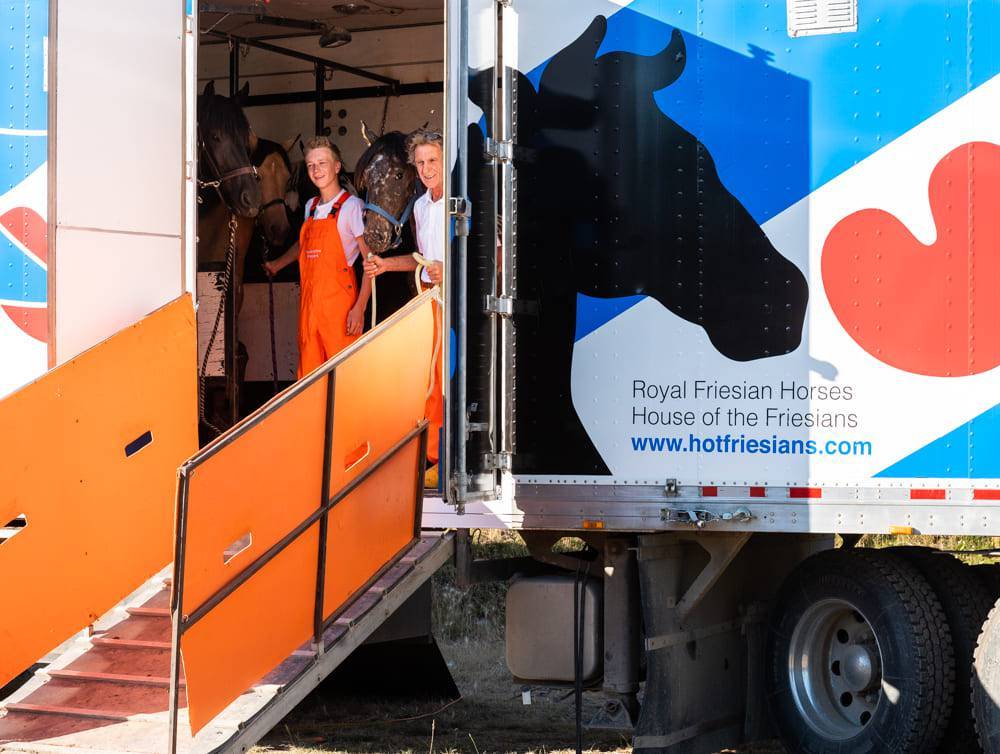
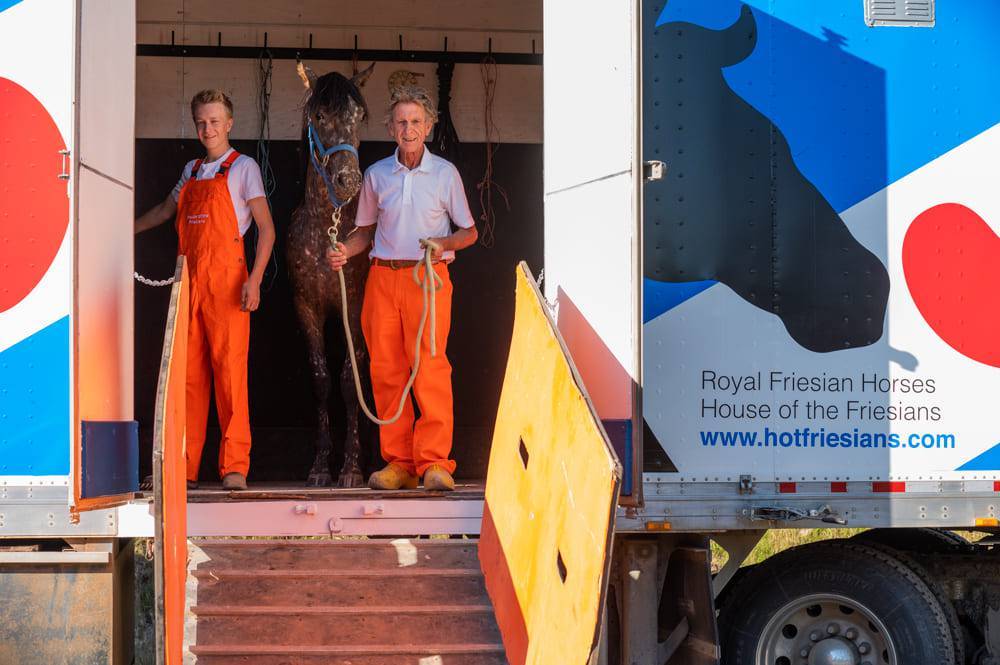
Suitable transportation equipment: Horse trailers should provide appropriate ventilation, secure partitions, adequate space, and safe loading arrangements.
Driver experience: Ask whether drivers have experience handling horses and managing long-distance equine transportation.
Insurance and safety procedures: Confirm insurance coverage, emergency arrangements, and how the company handles unexpected delays.
Clear pricing: Request a written quote that explains transportation charges, potential border-related expenses, pickup arrangements, and delivery details.
These questions can help you compare providers and select a service that meets your horse's individual needs.
Good preparation can make long-distance transportation more comfortable for your horse.
Arrange a veterinary assessment when appropriate, particularly if your horse has an existing health concern or is not accustomed to traveling. Make sure the horse is comfortable with loading and standing in a trailer.
Provide accurate information about feeding schedules, medication, temperament, and any special handling requirements. Discuss water access, rest stops, ventilation, and emergency procedures with the transporter before departure.
It is also helpful to keep your horse's familiar feeding routine as consistent as practical and ensure that all required documents accompany the shipment.
The cost of horse transportation varies depending on several factors:
Distance between pickup and delivery locations.
Number of horses being transported.
Dedicated or shared transportation arrangements.
Pickup accessibility and delivery requirements.
Border documentation, inspections, and other applicable fees.
Special handling needs and scheduling requirements.
For an accurate estimate, provide the transporter with your Canadian pickup city, US destination, preferred dates, and number of horses. Request a detailed quote rather than relying on a general price estimate.
Early planning gives you more time to arrange veterinary documents, confirm border procedures, select a suitable transporter, and coordinate delivery with the receiving stable or property.
It can also reduce the risk of delays caused by incomplete paperwork or unavailable appointments. For competition horses, newly purchased horses, and permanent relocations, confirm the transportation schedule and entry requirements before finalizing other arrangements.
Moving a horse internationally requires more than simply arranging a trailer. Safe transportation depends on suitable equipment, experienced handling, proper preparation, and compliance with applicable border regulations.
When comparing horse transport Canada services, prioritize animal welfare, transparent communication, relevant cross-border experience, and clear pricing.
Planning a move? Contact a professional horse transportation provider to discuss your route, schedule, documentation needs, and delivery requirements. With the right preparation, you can help your horse enjoy a safer and more organized journey from Canada to the United States.
Choose a suitable transporter, provide the pickup and destination details, confirm the applicable veterinary and border requirements, and schedule the shipment.
Depending on the circumstances, documents may include an official veterinary health certificate, a negative Coggins test, and an import permit if required. Verify the current requirements before travel.
Pricing depends on distance, the number of horses, transportation arrangements, route, and additional services. Request a customized quote for your shipment.
Yes. Road transportation is a common option for horses traveling between Canada and the United States, provided the shipment meets applicable entry and transportation requirements.
Review the company's experience, equipment, insurance coverage, safety procedures, communication practices, and written pricing before booking.