Transporting a horse requires careful planning, suitable equipment, and an understanding of equine safety. Whether you are moving a horse to a new stable, attending an equestrian competition, purchasing a horse from another province, or arranging an international relocation, choosing the right horse transportation services in Canada can make the process easier and less stressful.
Professional horse transport providers help horse owners move their animals while prioritizing comfort, safety, and reliable scheduling. Understanding what to look for in a transportation company can help you make the right decision for your horse.
Horses have specific transportation needs. Long distances, changing weather conditions, unfamiliar surroundings, and extended travel times can affect their comfort and well-being.
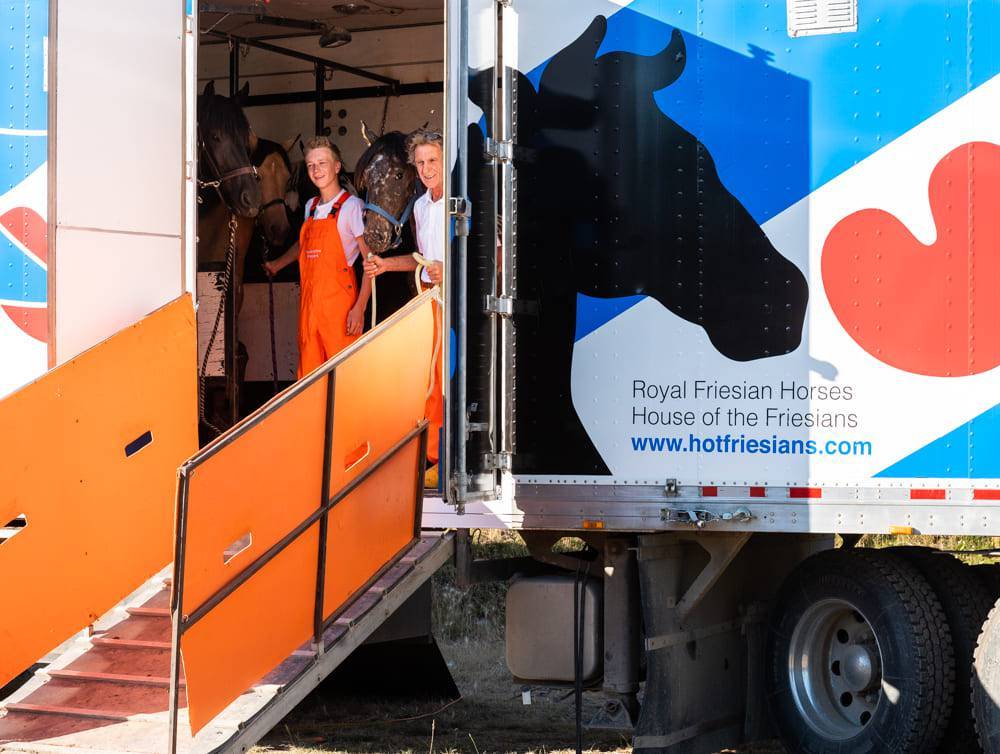
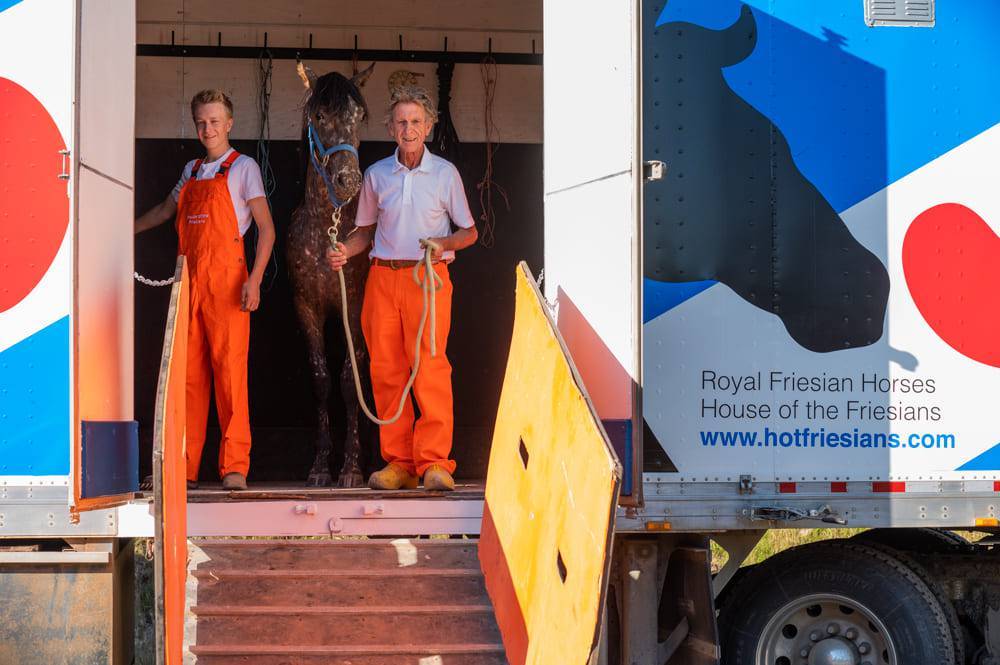
Professional horse transportation services use appropriate horse trailers or transport vehicles, secure partitions, ventilation, and suitable loading procedures. Experienced transport providers also understand the importance of monitoring horses during travel and planning appropriate rest stops.
Whether you need a short-distance journey or cross-country horse transportation, working with an experienced provider can help reduce logistical challenges.
Different situations require different transportation arrangements. Depending on your needs, you may want to consider the following options.
Local horse transportation is useful when moving horses between farms, boarding facilities, veterinary clinics, breeding facilities, and training centres. Regional services can also help transport horses between nearby cities and provinces.
Canada's large geographic area means that moving horses between provinces may involve long travel distances and changing road or weather conditions. Cross-country horse transportation requires careful route planning, appropriate equipment, and attention to the horse's needs throughout the journey.
When comparing providers, ask about estimated travel times, monitoring procedures, rest arrangements, and contingency plans for unexpected delays.
Horse owners and riders often need transportation to horse shows, dressage competitions, jumping events, rodeos, and other equestrian activities. A dependable transport provider can help coordinate arrival times and accommodate the horse's needs before the event.
If you purchase a horse from another province or relocate to a different part of Canada, professional transportation can help arrange the journey from the seller's property or existing stable to the new destination.
Before booking, confirm the pickup and delivery arrangements, documentation requirements, and any special handling needs.
Before choosing a horse transport company in Canada, consider these important factors:
Experience and training: Look for transporters familiar with equine behaviour, loading, handling, and long-distance travel.
Suitable transport vehicles: Confirm that the vehicle offers adequate ventilation, safe footing, sufficient space, and protection from weather.
Horse welfare procedures: Ask how horses are monitored and how feeding, watering, and rest are managed during long journeys.
Insurance and service terms: Confirm applicable insurance coverage, liability arrangements, cancellation policies, and delivery terms.
Clear communication: Choose a provider who explains pickup times, estimated arrival, costs, and procedures for unexpected delays.
Canadian federal requirements cover humane animal transportation, including the handling, fitness, and care of horses during travel. Review the Canadian Food Inspection Agency's horse transportation guidance before arranging a journey.
Proper preparation can make the journey more comfortable for your horse and help the transporter work efficiently.
Check your horse's health. Consult a veterinarian if you are unsure whether your horse is fit for the planned journey.
Prepare the necessary documents. Ask the transporter which identification, health records, permits, or other documents are required for your route.
Discuss feeding and watering. Share your horse's normal feeding routine and any relevant dietary or medical requirements.
Prepare appropriate equipment. Confirm whether a suitable halter and any protective equipment are needed.
Provide accurate travel information. Tell the company about your horse's age, temperament, size, loading experience, and special handling needs.
For interstate or international journeys, additional documentation and animal-health requirements may apply. Confirm these with the relevant authorities before booking.
The cost of horse transportation depends on several factors, so it is best to request a quote based on your specific journey.
Common pricing factors include:
Distance between pickup and delivery locations
Number of horses being transported
Private or shared transport arrangements
Travel time and route accessibility
Special handling or equipment requirements
Additional documentation or cross-border arrangements
When comparing quotes, check what is included in the price. A lower quote may not include all applicable fees or services. Ask for a written estimate that explains the total expected cost and any potential additional charges.
Moving horses across Canada can involve substantial distances, seasonal weather changes, and different road conditions. Whether you are arranging transport between Ontario and Alberta, travelling from British Columbia to Manitoba, or moving a horse within another province, careful scheduling is essential.
Professional planning should account for vehicle suitability, safe loading and unloading, travel conditions, and contingency arrangements. For international transportation, confirm the relevant import or export requirements before finalizing the booking.
Research companies with relevant equine transport experience, suitable vehicles, clear service agreements, and appropriate insurance. Request references where available and ask how the company manages horse welfare during the journey.
Yes. Horses can be transported between provinces, provided the journey complies with applicable federal and provincial requirements. Documentation or other conditions may vary depending on the route and circumstances.
Book as early as practical, particularly during busy competition seasons or when arranging long-distance transport. Provide your preferred dates, pickup and delivery locations, and any special requirements when requesting a quote.
Safety depends on the horse's fitness for travel, the transporter's experience, suitable equipment, journey planning, and appropriate care throughout the trip. Consult a veterinarian if your horse has health concerns.
Typically, you should provide the pickup and delivery locations, travel dates, number of horses, approximate size, and any special handling needs. The transporter can then assess the journey and provide a more accurate estimate.
Whether you are relocating a horse, purchasing a new companion, or travelling to an equestrian event, choosing a suitable transport provider is an important step in protecting your horse's welfare.
Compare your options, confirm the services included, and discuss your horse's individual needs before booking. With proper preparation and a knowledgeable transporter, you can plan a more organized and comfortable journey.
Looking for horse transportation services in Canada? Contact a professional horse transport provider to discuss your route, receive a customized quote, and plan your horse's journey.